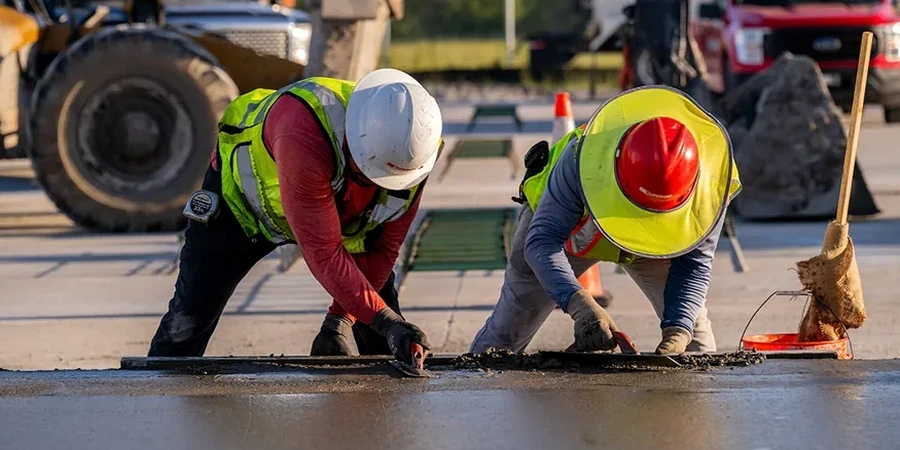
Roadway engineering in Mesa, Arizona, encompasses the full spectrum of planning, design, and evaluation required to build durable, safe transportation corridors that withstand the unique demands of the Sonoran Desert. This category covers everything from subgrade preparation and pavement structural design to drainage integration and long-term maintenance strategies, all tailored to a city experiencing rapid residential and commercial growth. In a region where daily high temperatures exceed 100°F for a third of the year and monsoonal rains deliver sudden, intense runoff, roadway failures like rutting, cracking, and base erosion are not just inconveniences—they are public safety hazards. A robust roadway system supports Mesa's economic vitality by ensuring reliable routes for commuters, freight, and emergency works, making geotechnical and pavement expertise essential for every new arterial, collector, or local street project.
Mesa's location within the Basin and Range physiographic province presents distinct subsurface conditions that directly influence roadway performance. Near-surface geology is dominated by Quaternary alluvial deposits—sands, gravels, and silts washed down from the Superstition Mountains and surrounding highlands—interspersed with zones of caliche, a naturally occurring calcium carbonate cementation that can range from soft nodules to rock-like hardpans. Expansive clay lenses, though less widespread than in other parts of the Phoenix metro area, do appear in pockets and can cause differential heave if not properly mitigated. Shallow groundwater is generally not a concern across most of Mesa, but localized perched water tables and irrigation seepage can create moisture-sensitive subgrades. Understanding these variables through proper site investigation is the foundation of any successful roadway project, ensuring that designs account for soil variability rather than relying on generic assumptions.
Regulatory compliance for roadway projects in Mesa follows a layered framework of national, state, and municipal standards. The American Association of State Highway and Transportation Officials (AASHTO) provides the overarching design methodology, including the AASHTO 1993 Guide for Design of Pavement Structures and the more recent mechanistic-empirical pavement design approach. At the state level, the Arizona Department of Transportation (ADOT) publishes its Standard Specifications for Road and Bridge Construction and the ADOT Pavement Design Manual, which govern all state-funded routes and often serve as the benchmark for municipal projects. Locally, the City of Mesa Engineering Design Standards and Details Manual dictates specific requirements for street classification, right-of-way geometry, utility coordination, and materials acceptance. Projects must also address National Pollutant Discharge Elimination System (NPDES) stormwater permits, as roadway drainage designs must manage runoff quality and quantity in compliance with the Clean Water Act. Adhering to these codes ensures that new roadways meet structural capacity demands while protecting the surrounding environment.
The types of projects that demand comprehensive roadway engineering in Mesa range from greenfield residential subdivisions in the expanding eastern reaches of the city to rehabilitation and widening of aging arterials in established neighborhoods. A foundational step in almost all of these projects is a CBR study for road design, which quantifies the bearing capacity of the native subgrade and informs the structural thickness of the pavement layers. For high-traffic commercial corridors and industrial zones, rigid pavement design using Portland cement concrete offers long-term durability and resistance to deformation under heavy truck loading and extreme heat. Flexible asphalt pavements remain common for local streets, but their mix designs must incorporate polymer-modified binders to resist rutting at Mesa's sustained high temperatures. Additional project types include intersection improvements requiring traffic signal foundation analysis, bus pullouts and transit corridors with reinforced pavement sections, and low-volume rural roads where dust control and base stabilization are primary concerns. Each project demands a tailored geotechnical investigation to define soil parameters, identify shrink-swell potential, and recommend appropriate stabilization methods such as lime treatment or geogrid reinforcement.
The primary causes include thermal cracking from extreme daily temperature swings, rutting from heavy loads on asphalt softened by high heat, and base erosion from intense monsoonal rainfall infiltrating unsealed cracks. Expansive clay subgrades in isolated pockets can also cause differential heave, while aged pavements often suffer from oxidation and fatigue cracking due to prolonged UV exposure.
Mesa's alluvial sands and gravels generally deliver good drainage and bearing capacity, but the presence of caliche layers can complicate excavation and require specialized pulverization or removal. Where expansive clays are encountered, lime stabilization or subgrade replacement is often necessary. A thorough geotechnical investigation identifies these conditions to prevent under-designed pavements that would prematurely fail.
Roadway design follows the AASHTO Guide for Design of Pavement Structures, supplemented by the ADOT Pavement Design Manual and the City of Mesa Engineering Design Standards. These documents prescribe structural number requirements, material specifications, and testing protocols. Stormwater regulations under the Clean Water Act also influence roadway drainage design and erosion control measures.
Rigid concrete pavement is typically preferred for high-traffic arterials, industrial zones, and bus routes where heavy repeated loads would cause rutting in asphalt. Its higher initial cost is offset by lower maintenance needs and superior resistance to heat-induced deformation. Intersections, where stopping and turning vehicles concentrate stresses, are also common candidates for rigid pavement sections.